
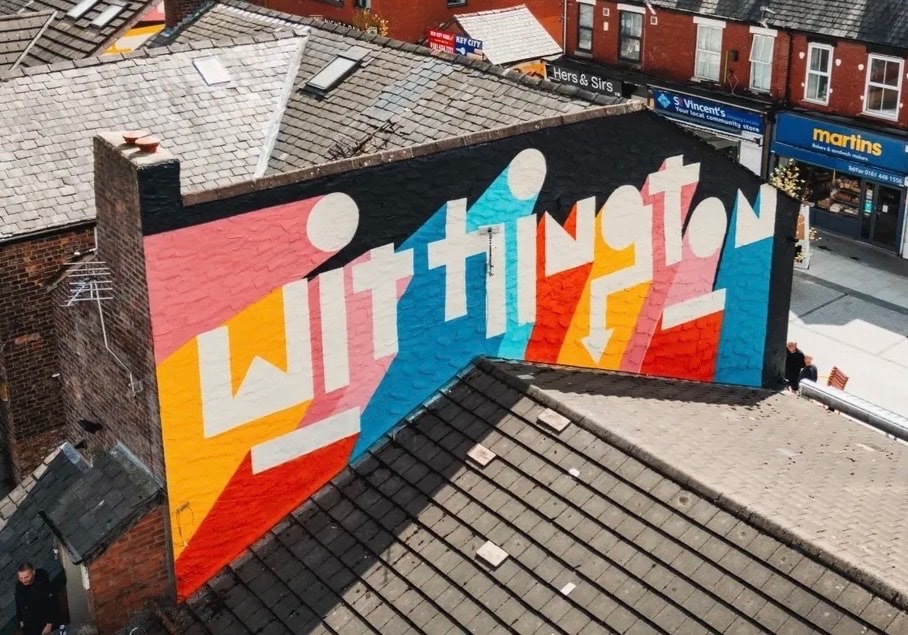
A History of Withington
From Roman road to modern suburb, willow farmstead to aviation pioneer — 24 chapters in the story of one of Manchester's most distinctive neighbourhoods.
Withington News
Twenty-four chapters
- IBefore the Village: Roman Roads and Ancient Landscape— Pre-history to 1000 AD
- IIThe Name and the Land— Anglo-Saxon
- IIIThe Manor and the Hathersage Family— 13th–15th century
- IVThe Mosleys and Hough End Hall— Tudor & Stuart
- VThe Red Lion and the Court Leet— 17th–18th century
- VIThe Village on Wilmslow Road— 18th century
- VIIMendelssohn and the Souchay Family— Early Victorian
- VIIIVictorian Growth and St Paul's Church— Victorian
- IXThe Library and the Village Hall— Victorian
- XJoining Manchester— 1904
- XILouis Paulhan and the First London–Manchester Flight— 1910
- XIIAlexandra Park Aerodrome— 1910–1926
- XIIIThe First World War— 1914–1918
- XIVThe Interwar Years: Suburbia Comes of Age— 1919–1939
- XVThe Second World War— 1939–1945
- XVIPost-War Withington: Change and Challenge— 1945–1970
- XVIIThe University Quarter— 1960s–1980s
- XVIIIThe 1980s: Recession and Resilience— 1980s
- XIXThe IRA Bombing and Manchester's Renewal— 1990s
- XXWithington Hospital: A Community Fights Back— 1990s–2002
- XXIThe 2000s: Regeneration and the New Withington— 2000s
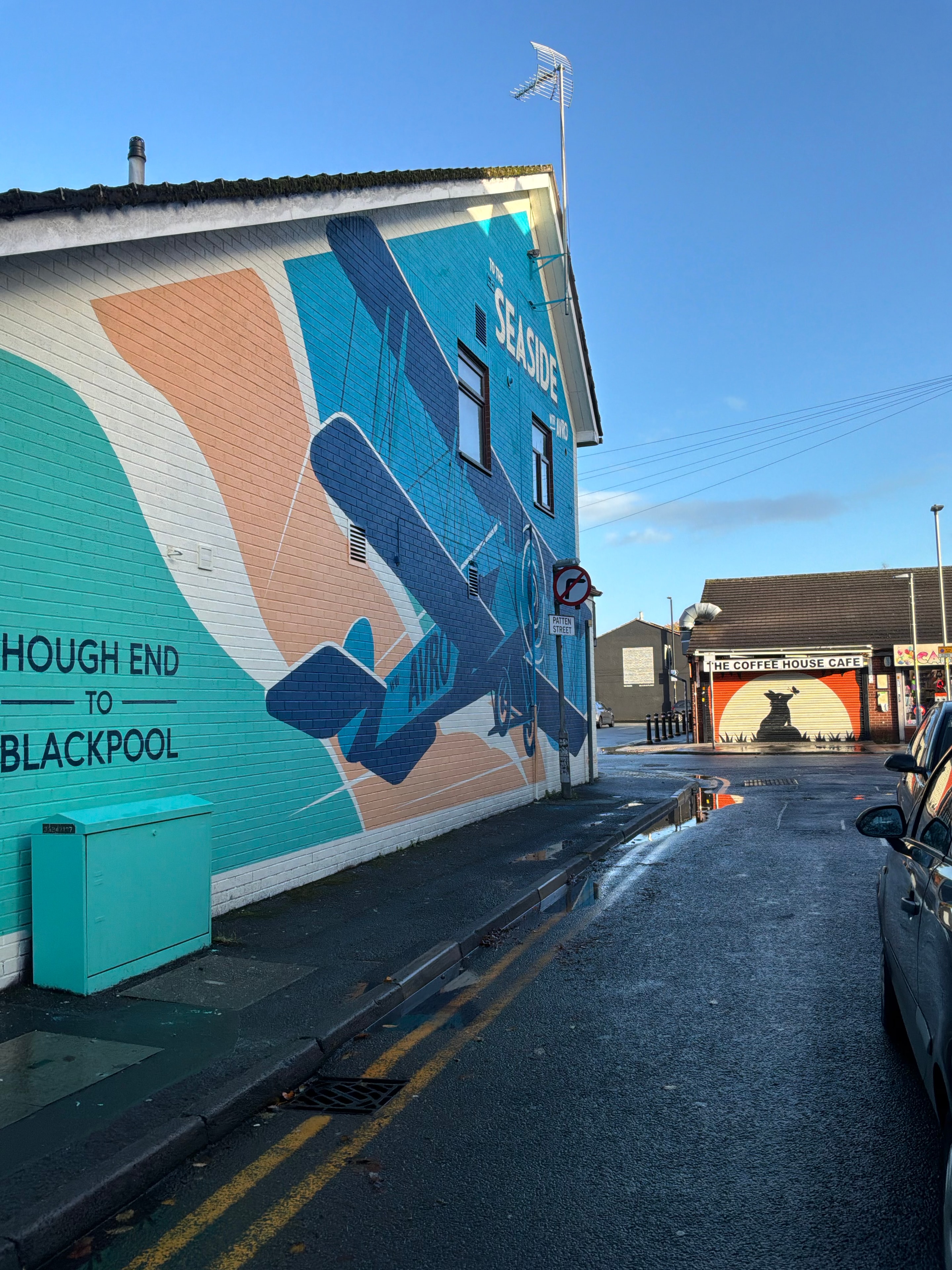
- XXIIThe Avro Mural and Cultural Memory— 2010s
- XXIIICovid-19 and Community— 2020–2022
- XXIVWithington Today— Present
Before the Village: Roman Roads and Ancient Landscape
Pre-history to 1000 AD
Long before Withington had a name, the land was shaped by glacial meltwater, leaving behind the flat, well-drained soils that would later attract farmers and settlers. The Romans built a road through the area connecting their fort at Mamucium — modern Manchester — southward through what is now Didsbury and beyond. Traces of this route survive in the alignment of Wilmslow Road, one of the oldest thoroughfares in south Manchester.
After the Romans withdrew in the early 5th century, the area passed through centuries of Brittonic, Anglian and Danish settlement. The Mercians pushed north and west, and by the 9th century the Danes had established themselves across much of Lancashire. Didsbury, just to the south, may have been fortified in King Edward the Elder's reign as a defence against Danish incursion — a reminder that this quiet suburb was once a frontier.
Continue reading
Chapters II–XXIV: From the Manor to the Modern Day
The Mosleys, Mendelssohn, Louis Paulhan, the Blitz, the hospital campaign, Covid — and Withington today.
See also: Withington Culture & Arts — the Avro mural, street art and the creative life of the neighbourhood.